Mindset: How to Approach Iron × Violence
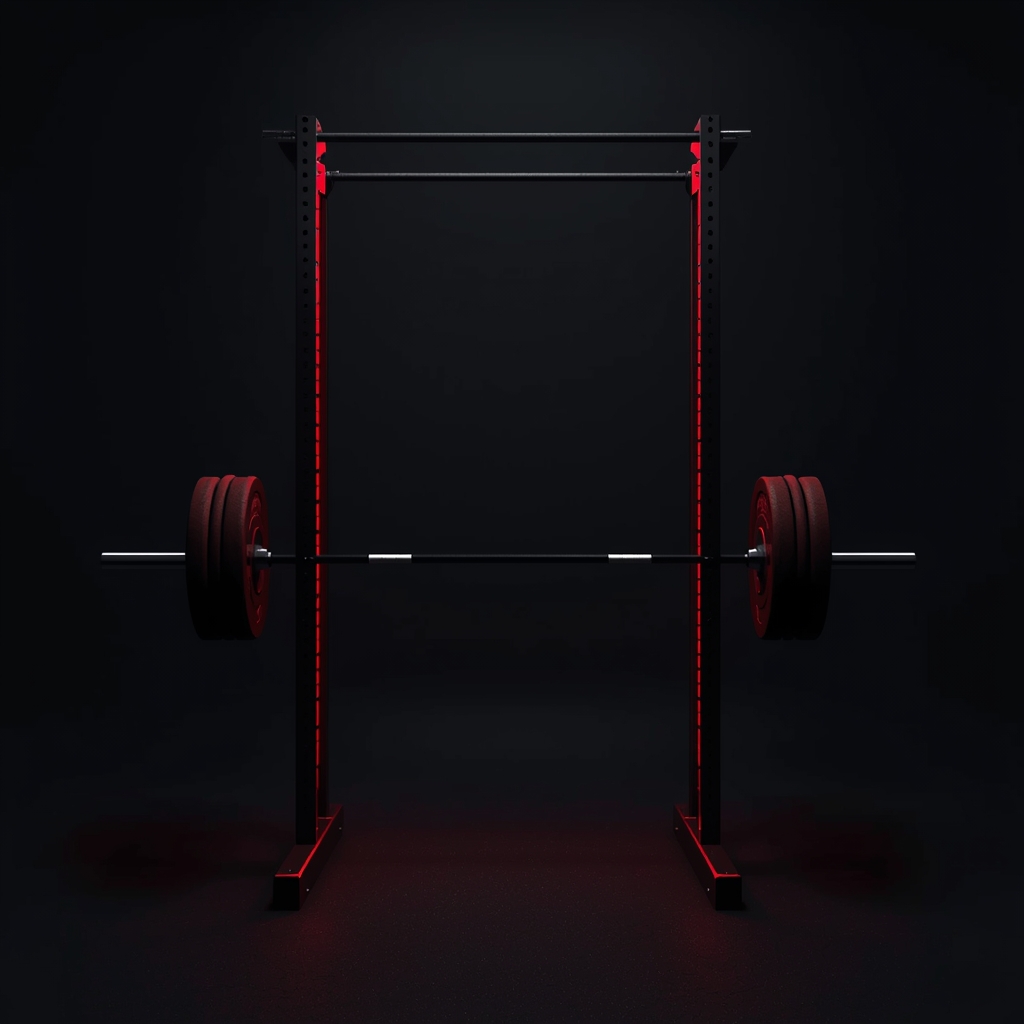
This programme will ask you to lift heavy weights; it will get you moving fast. You must show up three times a week.
It will not ask you to suffer; It will ask you to commit.
This Is Not About Toughness
Training culture can equate effort with value. The harder it feels, the better it must be working and push through the pain with all that
That logic is not applied here, and for many, it’s expensive in time.
Suffering in the gym isn’t the only way to build strength. It will build fatigue. Fatigue is the one thing you cannot afford to carry into sparring, drilling, or competition.
Iron × Violence is designed so that you finish each session feeling capable, not depleted.
Why You Should Leave Power in the Tank
Some strong training blocks in combat sport history, such as Soviet & Cuban, share one common principle: They emphasise on technical mastery and sustainable progression over constantly grinding to exhaustion
This works because strength and power are not built in the moment of maximum effort. They are built in the recovery that follows controlled, high-intent work. The moment you cross the line into grinding, grinding reps, you shift from building to breaking down.
Leaving power in the tank is not laziness. It is load management. It keeps your nervous system ready, your recovery short, and your next session productive.
Mindset as a System, Not a Feeling
On some days you will not feel motivated but that is normal and expected.
Motivation is not a reliable training input. It fluctuates with sleep, stress, nutrition, and other variables you cannot control.
What you can control is the system: show up, follow the programme, train with intent, and recover properly. Repeat.
Iron × Violence does not require you to feel a certain way before you train. It requires you to be there and to move the weight deliberately. That is the entire mental demand.
If you are tired, reduce load, not intent. The programme accounts for this through RPE. Use it!
What “Training With Intent” Actually Means
Intent does not mean training angry or training hard. It means every rep is deliberate.
You know what you are lifting. You know why. You move the weight with control on the way down and speed on the way up. You are present for the set, and then you rest fully before the next one.
That is it. There is no internal monologue required. No visualisation ritual. No pre-lift psychology.
The lift & rest loop. The consistency of that process is what builds the fighter.
The Short Version
- You do not need to be motivated; just be there.
- You do not need to suffer, but train with intent.
- You do not need to push to failure, but leave power in the tank.
- You do not need to feel strong before you train.
The programme builds strength through repetition, not willpower. so show up, move the weight and recover. Build the habit loop.
That is the mindset.
References
Seiler, S. (2010). What is best practice for training intensity and duration distribution in endurance athletes? International Journal of Sports Physiology and Performance, 5(3), 276–291.
Isaacs, P. E. (2019). “Autoregulation in Strength Training.” Strength & Conditioning Journal, 41(3), 1–8.